Apparel
Linen vs Cotton: How the Two Summer Fabrics Really Differ
Linen vs cotton compared on fiber origin, moisture absorption and drying speed, wrinkle behavior, durability and price — with the numbers behind each claim.
Clothing, shoes & accessories, honestly reviewed
Apparel
Linen vs cotton compared on fiber origin, moisture absorption and drying speed, wrinkle behavior, durability and price — with the numbers behind each claim.
By Claire Whitmore · Fashion Editor
Last updated September 19, 2026
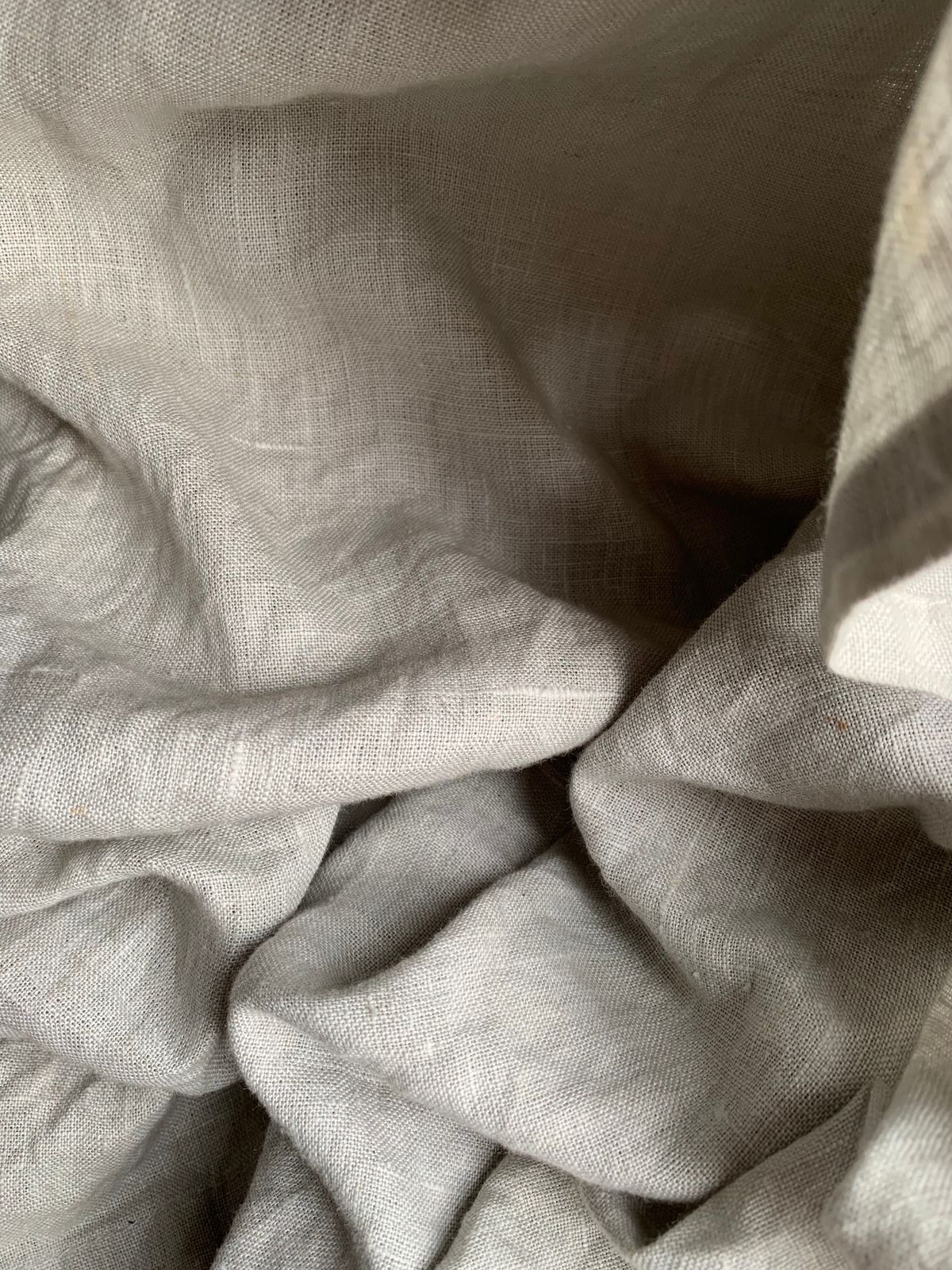
Linen costs more, wrinkles more and yet keeps outperforming cotton in summer collections — and the reasons are structural, not stylistic. The two fibers come from different parts of different plants and behave almost oppositely on moisture, strength and aging. Textile industry comparisons put the differences in numbers: linen absorbs roughly twice the moisture before feeling damp, dries about twice as fast, and wears two to three times longer, while cotton wins on first-touch softness, wrinkle resistance and price. Knowing which properties matter for which garment is what turns those numbers into a buying decision.
Linen is a bast fiber drawn from the stalk of the flax plant, Linum usitatissimum — one of the oldest textile crops on record. Because the fiber comes from the plant stem rather than a seed pod, it has a naturally hollow, tubular structure with a slightly irregular surface, which is what moves air so well and gives linen its characteristic luster. Cotton is a seed fiber harvested from the bolls of plants of the genus Gossypium; its fibers are shorter and more ribbon-like, which makes cotton yarn soft but also more prone to breaking down over repeated washing. Cotton remains the most widely used natural fiber in the world, accounting for roughly a quarter of global textile fiber production, while linen’s limited supply is one reason it commands a premium.
The functional gap is widest in humidity. Fiber property comparisons report that linen absorbs up to about 20% of its weight in moisture before feeling damp, against roughly 8 to 10% for cotton, and linen’s hollow fibers wick perspiration to the fabric surface where it evaporates quickly — roughly twice as fast as cotton by the same industry tables. Moisture-regain data tells the same story: flax regains up to 20% of its weight, cotton up to about 8.5%. In practice this is why a linen shirt stays dry-feeling through a humid commute where a cotton one clings, and why linen towels and bedding dry faster and resist the prolonged dampness that degrades fabric.
Linen creases because of how its cellulose responds to bending: fiber analyses explain that folding breaks hydrogen bonds between cellulose molecules, which reform in the bent position and hold the crease until moisture — washing or steaming — relaxes them. No finish removes that behavior; heavier linen weaves and linen-cotton blends only soften it. Cotton wrinkles less because its shorter, more elastic fibers recover shape better through the day. The two fabrics also crease differently: linen forms soft, organic folds rather than sharp lines, which is why the wrinkled state reads as part of the fabric’s character rather than neglect.
Flax is one of the strongest plant fibers in textile use, and unusually, it gets stronger when wet — comparative data puts wet tensile strength up to 20 to 30% above dry, while cotton is slightly weaker wet than dry. That wet strength is why linen survives repeated laundering that wears cotton out, and industry comparisons find linen garments lasting two to three times longer in rotation. The price premium is correspondingly narrower than it looks: raw linen costs roughly 15 to 30% more per yard than comparable cotton, and a linen garment that outlasts several cotton ones can end up cheaper per year of wear. Flax cultivation also needs 60 to 80% less irrigation water than cotton, per the same industry analyses, though that matters more to some buyers than others.
| Property | Linen (flax stem) | Cotton (seed boll) |
|---|---|---|
| Moisture before feeling damp | ~20% of weight | ~8-10% of weight |
| Drying speed | ~2x faster | Slow, holds moisture |
| Wet strength | Stronger when wet | Slightly weaker when wet |
| Wrinkle behavior | Creases readily, soft folds | Wrinkles less, recovers shape |
| Longevity in rotation | 2-3x longer | Degrades faster with washing |
| Raw fabric cost | ~15-30% more per yard | Lower |
For warm-weather rotation pieces, linen’s moisture handling and wet strength justify the premium; for softness out of the bag and low-maintenance care, cotton keeps its place. More fiber explainers sit in the apparel category, and the guides hub links the fabric-care topics for both.
It softens but keeps wrinkling — the creasing is structural, not a finish that wears off. As fiber analyses explain, bending linen breaks and reforms hydrogen bonds between cellulose molecules, so the fabric holds a crease until moisture relaxes it, though repeated washing makes the folds softer and rounder.
Linen, by a wide margin. Fabric comparisons put linen at roughly 20% moisture absorption before feeling damp versus about 8 to 10% for cotton, and linen dries about twice as fast, so it stops feeling clammy minutes after cotton still reads as wet.
For warm-weather garments worn repeatedly, usually yes. Raw linen costs roughly 15 to 30% more per yard than comparable cotton, but industry comparisons find linen garments lasting two to three times longer in repeated wear and washing, and it gains luster with age instead of wearing out.
Claire Whitmore · Updated September 19, 2026
Claire Whitmore · Updated September 19, 2026
Claire Whitmore · Updated September 19, 2026