Apparel
Merino vs Lambswool vs Cashmere: What the Wool Labels Actually Mean
What merino, lambswool and cashmere labels actually mean: fiber diameter in microns, staple length, pilling behavior, pricing and how care differs.
Clothing, shoes & accessories, honestly reviewed
Apparel
What merino, lambswool and cashmere labels actually mean: fiber diameter in microns, staple length, pilling behavior, pricing and how care differs.
By Claire Whitmore · Fashion Editor
Last updated September 19, 2026
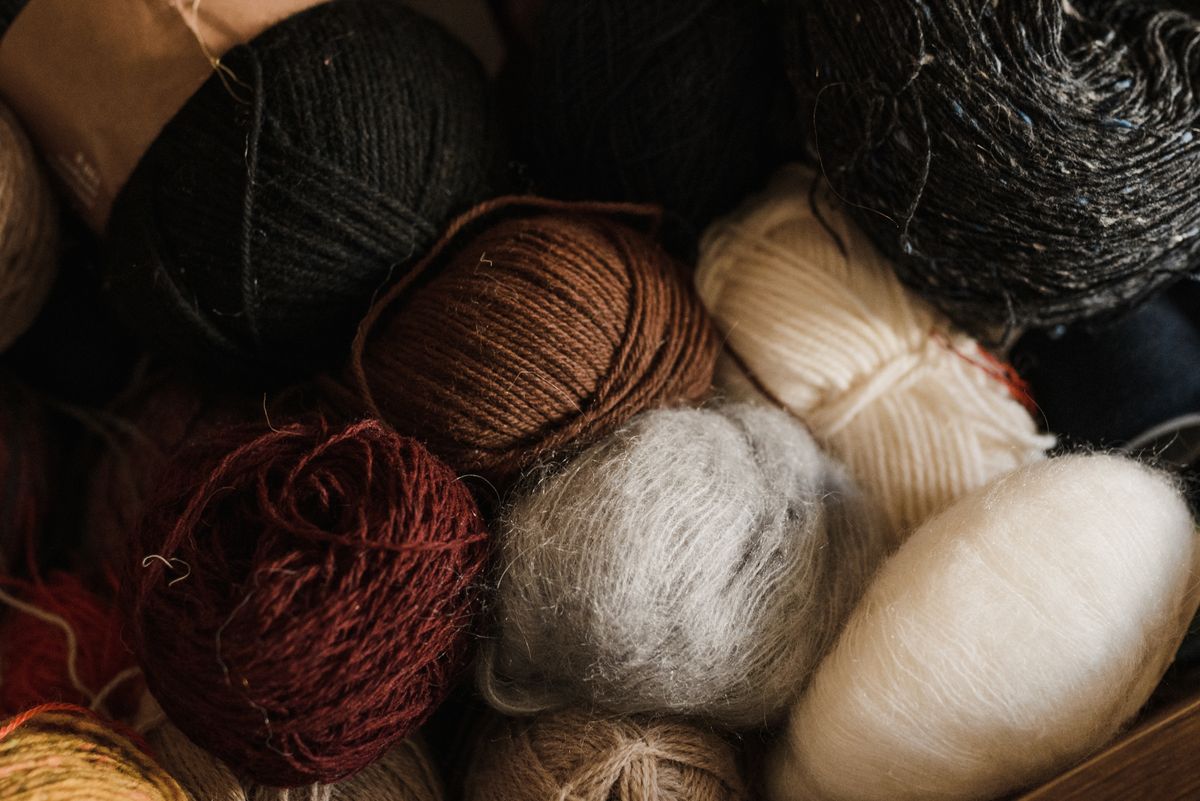
Three words dominate wool knitwear labels, and none of them means what shoppers usually assume. “Merino” describes a breed, “lambswool” describes an age at shearing, and “cashmere” describes a different animal entirely — so the same word can cover fibers that behave very differently on the body. The reliable way to compare them is not the breed name but two measurable specs: fiber diameter, measured in microns, and staple length, the length of the raw fiber. Those two numbers predict softness, pilling, price and even how a sweater should be washed.
Fiber diameter is measured in microns — a micron is one millionth of a meter — and it is the single biggest driver of what skin reads as softness. Fine fibers bend on contact; coarse fibers poke. As New Mexico State University’s wool grading guide sets out, coarse fibers above 30 microns feel stiff and suit carpets and heavy outerwear rather than next-to-skin knits. Merino spans roughly 15 to 24 microns, with ultrafine grades under 17.5 and superfine between 17.5 and 19.5, per wool industry grading summaries. Cashmere runs finer still — typically 14 to 19 microns, with premium grades between 14 and 16.5. Lambswool is the wildcard: because the term refers to a sheep’s first shearing at around seven months rather than a breed, its diameter varies widely, often averaging around 25 microns. Its softness comes from a different mechanism — each fiber still carries its naturally tapered, unshorn tip, which is gentler than the blunt cut end of re-shorn adult wool.
Diameter is only half the spec sheet. Knitwear analysis published by Wide Open World puts cashmere staple at roughly 28 to 42 millimeters against 50 to 140 for merino, and the consequence is mechanical: fibers are twisted into yarn like strands into rope, so short fibers work loose and pill under friction while long fibers stay anchored. That is why cashmere pills more readily and loses shape faster, and why long-staple merino holds a crisp surface through years of wear. Price follows scarcity and verification rather than brand myth. Urban Caps’ wool industry overview notes that ultrafine merino represents under 5% of global production, and that certification and testing regimes — Woolmark, OEKO-TEX, the Responsible Wool Standard — add laboratory costs ordinary wool never carries. Merino also yields less clean fiber per kilogram of greasy fleece, so mills need more raw material for the same garment.
Merino’s crimped structure traps air and lets the fiber absorb up to 30% of its weight in moisture without feeling wet, releasing it gradually — which is why performance brands build base layers from it. Cashmere wins on warmth-to-weight: its loft traps more insulating air per gram, which is why a thin cashmere sweater rivals a chunky lambswool one. Lambswool sits in between — warm and springy, with a lofty hand that comes from its short staple, but less elastic memory than merino and less refinement against the skin.
The care differences follow the fiber specs. Cashmere’s short, fine fibers make it the most fragile of the three: hand washing in cool water is the standard guidance, and knitwear should be dried flat, since hanging stretches a wet sweater’s shoulders — a point commercial cleaners’ symbol guides make for all wool knits. Merino is more forgiving, especially in superwash-treated form, which tolerates a gentle machine cycle. Lambswool handles machine washing on wool cycles better than cashmere but still prefers flat drying. All three are protein fibers, so moth-proofing storage matters more than any single wash decision.
| Label | Fiber source | Typical diameter | Staple | Care bias |
|---|---|---|---|---|
| Merino | Merino sheep fleece | 15-24 µm | 50-140 mm | Gentle machine or hand wash, dry flat |
| Lambswool | Any breed, first shearing | ~22-28 µm | Short | Wool cycle, dry flat |
| Cashmere | Goat undercoat | 14-19 µm | 28-42 mm | Hand wash, dry flat, moth-proof storage |
The practical takeaway: read the micron figure where a brand prints it, treat unqualified “lambswool” as a warmth-first fiber, and reserve cashmere for low-friction wear where its warmth-to-weight justifies the care burden. More fiber and fabric explainers live in the site’s apparel section, and the guides hub collects the care and construction topics in one place.
Most comfortable next-to-skin knits sit under 20 microns. As wool grading guides note, ultrafine merino runs under 17.5 microns, superfine 17.5 to 19.5, while generic wool and lambswool often average around 25 microns, which sensitive wearers feel as prickle.
Fiber length, not just softness, drives pilling. Knitwear analysis puts cashmere staple at roughly 28 to 42 millimeters versus 50 to 140 for merino, and shorter fibers work loose from the yarn sooner, forming surface pills under friction.
Cashmere is generally treated as a hand-wash fiber because its short, fine fibers are fragile when agitated. Merino depends on the finish: superwash-treated merino tolerates gentle machine cycles, while untreated merino and all knitwear should be dried flat to avoid stretching.
Claire Whitmore · Updated September 19, 2026
Claire Whitmore · Updated September 19, 2026
Claire Whitmore · Updated September 19, 2026