Apparel
Breathability Beats Aesthetics: A Fabric-First Look at Sleepwear
A fabric-first guide to women's sleepwear — why modal, Pima cotton and washable silk outperform satin looks, with ratings for Eberjey, Lake Pajamas and Lunya.
Clothing, shoes & accessories, honestly reviewed
Apparel
A fabric-first guide to women's sleepwear — why modal, Pima cotton and washable silk outperform satin looks, with ratings for Eberjey, Lake Pajamas and Lunya.
By Claire Whitmore · Fashion Editor
Last updated September 13, 2026
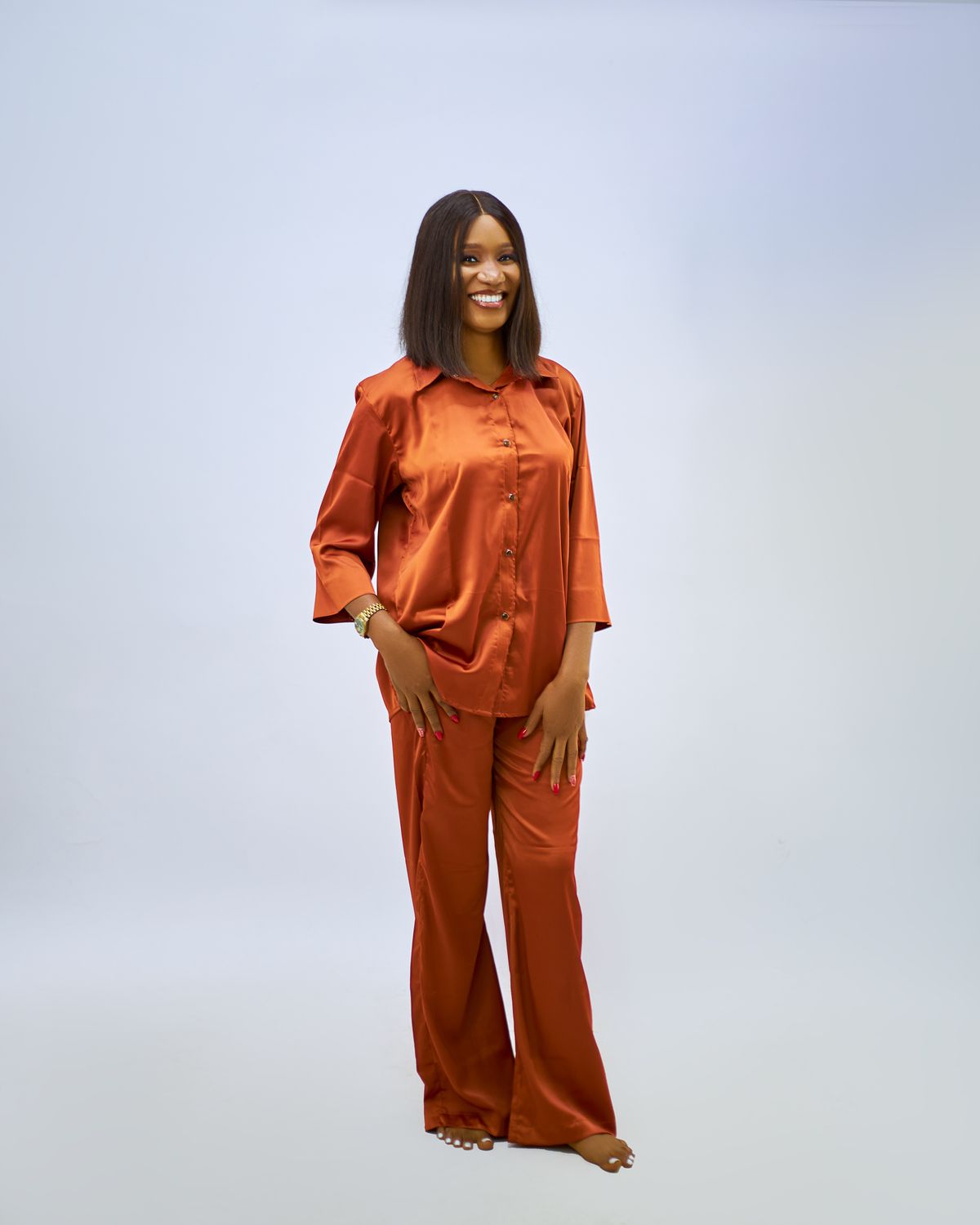
Some links below are affiliate links — if you buy through them, we may earn a commission at no additional cost to you.
Top Pick
4.8/5Good Housekeeping Bedding Award winner, 4.8 across 1,500+ reviews; drapey modal that stays soft after a year of washes.
~$148 suggested
Cooling Pick
4.9/5Byrdie's best-cooling pick, 4.9 across 356 reviews; wrap top and wide legs maximize airflow, no shrinkage reported.
~$148 suggested
Silk Pick
4.5/5100% thermoregulating mulberry silk, machine washable, 4.5 from 1,700+ reviewers; sold as one piece, runs loose.
~$178 suggested
Satin pajama sets are photographed with the lights on and slept in with the lights off, and the two settings ask opposite things of a fabric. Under studio lighting, a glossy synthetic set looks like luxury. At 1 a.m., that same fabric traps the heat your body is trying to shed, and by 2 a.m. it feels clammy against skin. What separates a set you reach for weekly from one that lives in the drawer is thermoregulation: how well the fabric moves moisture off skin and lets heat escape. That is decided by fibre type and weave before anything else, so the sets worth owning are built from breathable fibres first and styled second.
Textiles labs and sleep writers converge on the same basic split. Loose-weave natural and semi-natural fibres — cotton, modal, linen, silk, bamboo viscose — let the body release heat through the night. Tight synthetic weaves with a smooth, glossy face hold it in. The mechanism is moisture, not just air: a sleeping body loses heat partly through evaporation, so a fabric that wicks sweat off the skin and dries fast keeps the cooling cycle running, while a fabric that absorbs nothing leaves the moisture sitting there as clamminess.
Modal and TENCEL sit at the top of the semi-natural group, which is why they dominate best-of lists from testing outlets. Both are cellulosic fibres that wick moisture and drape without clinging, and they take dye deeply enough that a modal set survives a year of washing without looking tired. Real mulberry silk is thermoregulating too, but only at a usable momme weight; satin polyester marketed as “silky” shares the shine and none of the behaviour. The distinction between the two is exactly what our silk vs satin explainer covers, and it matters more in sleepwear than in any other category.
The label tells you almost everything the marketing copy hides. Start with the fibre percentage: a set calling itself “modal” that lists 60 percent polyester behaves like polyester, whatever the hangtag says. A genuine modal or TENCEL set will list 90-plus percent modal, lyocell or a named cotton such as Pima. Next, the weight: a summer-weight set is usually a fine, loose knit, while anything described as brushed or fleece is a cold-season garment no matter what fibre it uses. Finally, the care line. “Machine wash cold” on a silk set means the fabric has been treated for it; “dry clean only” on silk means you will pay for that every few weeks, and most people stop and the set degrades in a drawer.
Match the fabric to the sleeper, not just the season. Two people in the same bedroom can want opposite sets: the hot sleeper needs the wicking end of the fibre list — modal, TENCEL, silk — in a loose cut, while the cold sleeper is better served by a brushed cotton flannel, which trades airflow for trapped warmth. Bamboo viscose sits in the modal camp with a slightly heavier drape, and plain cotton weaves cover the middle. This is also why a “best sleepwear” list is really a fabric menu: the same rating can suit one partner and fail the other, which is worth remembering before anyone buys matching sets.
One label trap is worth naming. “Silky feel,” “satin finish” and “silky soft” are texture descriptions, not fibre claims. Polyester satin earns all three and fails every thermoregulation test that matters. If the fibre content line lists polyester above about 50 percent, the set will sleep hot regardless of how the product page describes it — our care label guide walks through the same label-reading for day clothes.
The most decorated set in the category: Good Housekeeping’s Textiles Lab gave it a Bedding Award after strong lab and consumer testing, with testers noting it stayed soft after a year of laundering. On Eberjey’s own site it holds a 4.8 rating across more than 1,500 reviews at about $148. The fabric is 95 percent TENCEL modal with a touch of spandex — drapey, non-clinging and light enough for year-round wear. The relaxed cut is generous, so size down rather than up; the long pants and button front read as “proper pajamas,” which matters if you answer the door in them.
Byrdie’s best-cooling pick, rated 4.9 across 356 reviews on Lake’s site at about $148. The DreamModal fabric (95 percent modal, 5 percent spandex) is a smooth, silky knit, and the kimono wrap top with wide legs maximizes airflow — no placket or buttons pressed against the chest, no cuffs trapping heat at the ankle. Repeated washing brings no shrinkage or fading, which is a deliberate contrast with Lake’s own Pima cotton line: those shrink in length by design and are cut to account for it. If you buy the Pima, expect the size you order to be the size it becomes.
The silk entry done properly: 100 percent mulberry silk, machine washable cold, thermoregulating, and Lunya’s number-one bestseller — 4.5 from 1,700-plus reviewers at about $178. Business Insider’s hot-sleepers test praised Lunya’s silk as cool-to-the-touch. The caveats are structural: sets are sold as one piece, so you cannot size top and bottom separately, and the fit runs loose. Loose is the right direction for airflow, but a top and bottom that never match in size is a real limit for tall or short-torso buyers.
| Set | Fabric | Rating | Best for |
|---|---|---|---|
| Eberjey Gisele Long PJ Set | 95% TENCEL modal, 5% spandex | 4.8 (1,500+ reviews) | Year-round everyday wear |
| Lake DreamModal Kimono Set | 95% modal, 5% spandex | 4.9 (356 reviews) | Hot sleepers, airflow |
| Lunya Washable Silk Set | 100% mulberry silk | 4.5 (1,700+ reviews) | Temperature swings, silk lovers |
Cozy Earth’s bamboo-viscose set (~$128–148) is a widely recommended hot-sleeper alternative, though no numeric rating surfaced in reporting. Bamboo viscose shares modal’s wicking behavior with a slightly heavier drape, and it typically prices below the modal picks — a reasonable fourth option if the two modal sets above are sold out of your size, which happens often given the small brand-store review bases behind those ratings.
Fibre type sets the ceiling for breathability; weight and weave decide how close a set gets to it. Two sets of identical modal can sleep differently if one is a fine jersey and the other a dense interlock, so treat product photos as evidence: visible light passing through stretched fabric, ribbed or textured knits, and generous cuts all signal airflow. The sets reviewers describe as cool-to-the-touch are consistently the lightweight, loose-cut ones, which is why the Lake kimono wins Byrdie’s cooling test with fewer reviews than its rivals.
Silk adds one more variable. Momme is silk’s weight measure, roughly the density of the weave, and it runs from about 19 in light sleep silk to 25 and above in heavier grades. A higher momme feels more substantial and wears longer; a lower one breathes easier. Lunya does not publish a momme figure for the Washable Silk Set, which is itself information — established silk houses usually state it, so verify by feel and by how the fabric falls if the spec sheet is silent.
Two fit patterns cause most sleepwear returns. The first is the one-piece set, where Lunya is the visible example: top and bottom share a size, so a small top over larger hips or the reverse forces a compromise somewhere. The second is the relaxed cut. Modal sets drape rather than cling, and brands cut them generously to preserve that drape, which is why both modal picks above run big — the Eberjey explicitly so. Ordering your usual size in a drapey modal set tends to produce a set you grow into rather than one you wear out.
Check the details that touch skin all night. Drawstrings that dig and elastic that twists interrupt sleep regardless of fabric, and a wrap top’s tie should sit high enough not to press on the ribs when you sleep on your side. Wide legs do more for airflow than any fabric spec, and cuffs that stop above the ankle beat full-length cuffs in warm rooms.
Machine washability is the quiet difference between a set worn weekly and one preserved for guests. All three picks above wash cold at home, which is unusual enough among silk sets that it deserves to be a purchase criterion on its own. The one rule that actually protects the fabric: skip fabric softener. Softener coats cellulosic fibres like modal and silk the same way it coats towels, and the coating reduces the wicking that makes the fabric worth owning — a softened modal set is a warmer modal set.
Wash modal and silk cold on a gentle cycle and hang or lay flat to dry; the heat of a dryer is what ages elastane blends until the set sags. Silk tolerates this routine indefinitely once you accept that it will crease, and creases fall out overnight on a body. None of this is fragile-fabric fussing; it is three habits, and the payoff is a set that still passes the soft-after-a-year test the Good Housekeeping lab applied to the Eberjey.
Storage finishes the job. A set worn weekly needs no ceremony, but drawer folds on elastic waistbands set permanent creases into modal knits over a season — fold with the elastic relaxed, or hang the set by the pants waistband, and both fabrics recover their drape. The enemy list is short: dryer heat, fabric softener, and damp storage. Miss all three and even a premium set ages within a year; avoid them and the care instructions on the label become the only care the set ever needs.
For one set that does everything, the Eberjey Gisele has the deepest verification: lab testing, a durable 4.8 rating and a cut that suits most sleepers. Lake’s kimono is the hot-sleeper’s choice, with the highest rating in the group and a silhouette built around airflow. Lunya earns its premium if silk is the fabric you will actually wear nightly; its one-piece sizing just demands honest measurements before ordering. Whichever you choose, the wicking-and-weave logic carries over to daytime warm-weather dressing — the same reasoning behind our fabric guide, applied to dresses in best linen dresses.
| Set | Fabric | Rating | Best for |
|---|---|---|---|
| Eberjey Gisele Long PJ Set | 95% TENCEL modal, 5% spandex | 4.8 (1,500+ reviews) | Year-round everyday wear |
| Lake DreamModal Kimono Set | 95% modal, 5% spandex | 4.9 (356 reviews) | Hot sleepers, airflow |
| Lunya Washable Silk Set | 100% mulberry silk | 4.5 (1,700+ reviews) | Temperature swings, silk lovers |
Everything on this page comes back to one question: what does the label tell you, and what does the thing do on month three? Start at the care companion to build a washing and storage routine that fits what you actually own.
The ASTM D5489 symbol system, decoded operation by operation.
Cool-water washing, de-pilling without damage, moth-proof storage.
What feeds the aging curve and what breaks it.
Claire Whitmore · Updated October 10, 2026
Claire Whitmore · Updated October 9, 2026
Claire Whitmore · Updated October 9, 2026
Claire Whitmore · Updated October 1, 2026