Jewelry
Best Pearl Necklaces: Freshwater vs Akoya, Knotting and Clasps
Freshwater or Akoya, silk-knotted or strung loose, 14k clasp or silver — the pearl necklace specs that decide how a strand wears, drapes and lasts.
Clothing, shoes & accessories, honestly reviewed
Jewelry
Freshwater or Akoya, silk-knotted or strung loose, 14k clasp or silver — the pearl necklace specs that decide how a strand wears, drapes and lasts.
By Elena Brooks · Accessories & Jewelry Editor
Last updated September 14, 2026
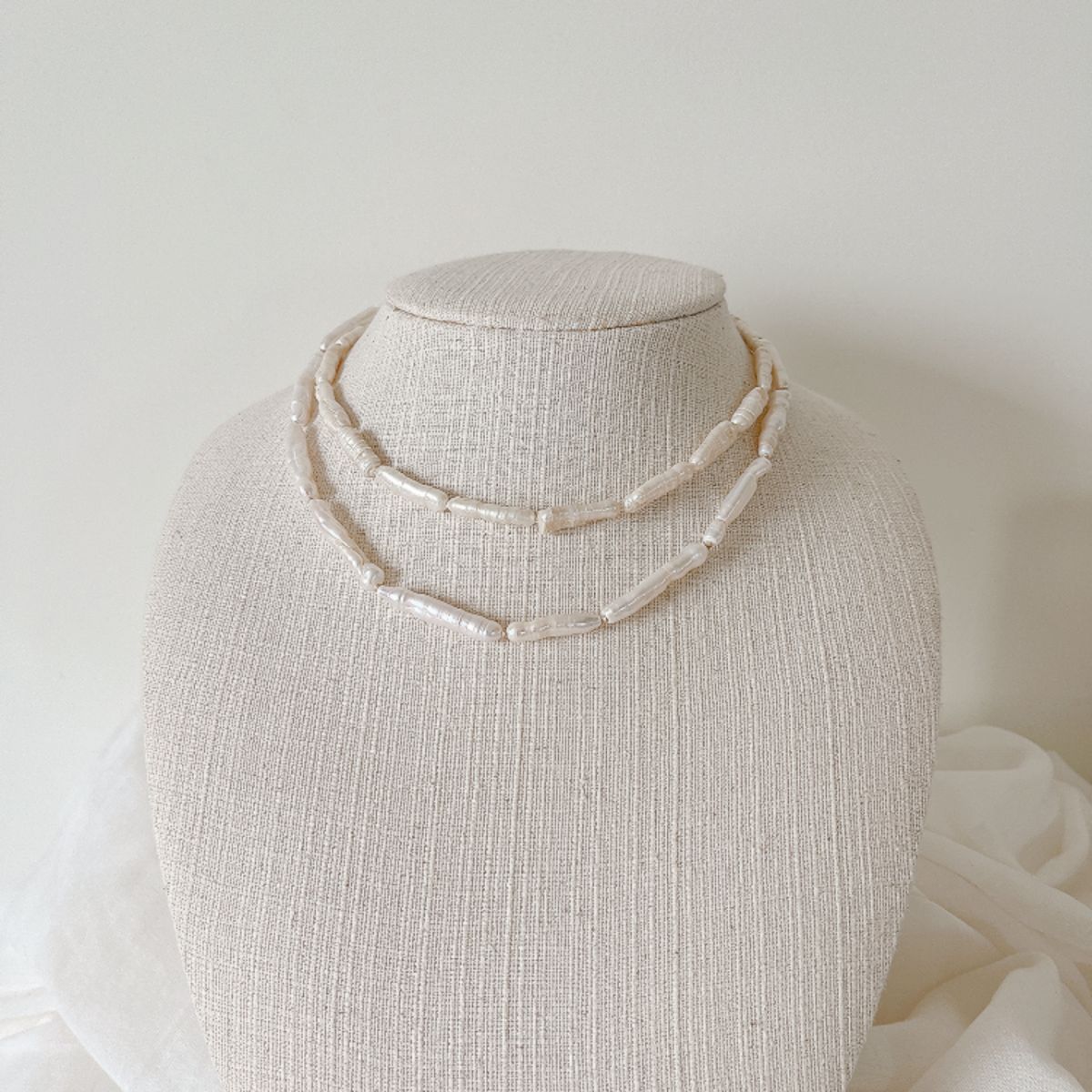
Top Pick
4.9/57.0-7.5mm AAA freshwater pearls, silk double-knotted with a 14k gold clasp, made to order in Los Angeles.
~$330 suggested
Akoya Pick
4.6/56.0-6.5mm round Japanese Akoya in AA+ grade, silk-knotted with a 14k white gold clasp at princess length.
~$400-$500 suggested
Modern Minimal Pick
4.8/5Hand-knotted AAA freshwater pearls with a 14k lobster clasp in a shorter, layerable 16.5-inch length.
~$198 suggested
Pearl buying looks like a style decision but is really a construction decision. Freshwater pearls now deliver 90 percent of the Akoya look at a third of the price, while Akoya still wins on that sharp, mirror-like luster. The less visible specs — knotting between pearls and clasp material — decide whether a strand survives a snag.
Akoya pearls are cultured in Japan’s cold waters, which grows thicker nacre, tighter crystal structure and that crisp reflective shine. They are also almost perfectly round, which is why the classic “strand of pearls” image is an Akoya image. Freshwater pearls, cultured in Chinese lakes and rivers, come in slightly softer, off-round shapes with a gentler satin glow — and top-harvest AAA strands are now very close to Akoya quality. The price gap is the practical summary: an AAA 7mm freshwater strand runs roughly $300-350 direct-to-consumer, while a comparable Japanese Akoya strand starts around $500 and climbs steeply with size and grade.
Pure Pearls AAA White Freshwater Pearl Necklace. The most construction for the money: 7.0-7.5mm near-round AAA freshwater pearls, double-knotted on silk, finished with a 14k gold clasp, made to order in Pure Pearls’ Los Angeles workshop for about $330. The product page shows a 4.9-star rating from 105 reviews, with owners repeatedly praising workmanship above its price class. It is the strand to buy if you want the heirloom construction without the saltwater price.
The Pearl Source 14K Gold Akoya Pearl Necklace. The classic Akoya entry point: 6.0-6.5mm round white Japanese Akoya pearls, AA+ grade, silk-knotted with a 14k white gold clasp in the standard 18-inch princess length, typically ~$400-500 on Amazon. It carries a 4.6-star rating across 55 Amazon ratings, with buyers consistently noting the pearls look better than the listing photos. The Pearl Source is a Jewelers of America member and includes an authenticity certificate.
Quince 14K Gold Freshwater Pearl Strand Necklace. The modern, minimal take: AAA freshwater pearls hand-knotted on cord with a 14k yellow gold lobster clasp, in a shorter 16.5-inch length and a dainty 4mm or 6mm width, for $198. Quince shows a 4.8-star rating from 37 reviews on its product page. This is the strand for layering and everyday wear rather than the formal heirloom silhouette.
| Strand | Pearl type / size | Knotting & clasp | Best for |
|---|---|---|---|
| Pure Pearls AAA Freshwater | Freshwater, 7.0-7.5mm | Silk double-knotted, 14k gold filigree | Heirloom construction under $350 |
| The Pearl Source Akoya | Japanese Akoya, 6.0-6.5mm | Silk-knotted, 14k white gold | The classic luster, princess length |
| Quince Freshwater Strand | AAA freshwater, 4-6mm | Hand-knotted, 14k lobster clasp | Modern minimal, everyday layering |
Pearls of Joy is worth knowing for the upper tier: its popular Akoya strands (6.5-7.0mm, AA+ to AAA) run roughly $515-700, and certified Hanadama strands start around $2,100. For a first serious strand, the freshwater picks above make more sense.
Pearls are the one gem that wants to be worn — skin oils keep nacre from drying — but perfume, hairspray and chlorine are still enemies. Wipe the strand with a soft cloth after wear and store it flat, never hanging, which stretches the silk cord. Plan on re-stringing every few years of regular wear; knotted silk is serviceable, loose-strung nylon is not. For the clasp-care rules see Best necklaces that don’t tarnish, and for the matching-earrings decision see Best stud earrings for everyday wear.
| Strand | Pearl type / size | Knotting & clasp | Best for |
|---|---|---|---|
| Pure Pearls AAA Freshwater | Freshwater, 7.0-7.5mm | Silk double-knotted, 14k gold filigree | Heirloom construction under $350 |
| The Pearl Source Akoya | Japanese Akoya, 6.0-6.5mm | Silk-knotted, 14k white gold | The classic luster, princess length |
| Quince Freshwater Strand | AAA freshwater, 4-6mm | Hand-knotted, 14k lobster clasp | Modern minimal, everyday layering |
Elena Brooks · Updated September 19, 2026
Elena Brooks · Updated September 19, 2026
Elena Brooks · Updated September 19, 2026