Bags & Accessories
Best Winter Scarves: Wool Content Over Weave Tricks
Why fiber percentage and micron count predict a winter scarf's warmth better than weave or brand — Quince, Uniqlo and Johnstons compared by owners.
Clothing, shoes & accessories, honestly reviewed
Bags & Accessories
Why fiber percentage and micron count predict a winter scarf's warmth better than weave or brand — Quince, Uniqlo and Johnstons compared by owners.
By Elena Brooks · Accessories & Jewelry Editor
Last updated September 3, 2026
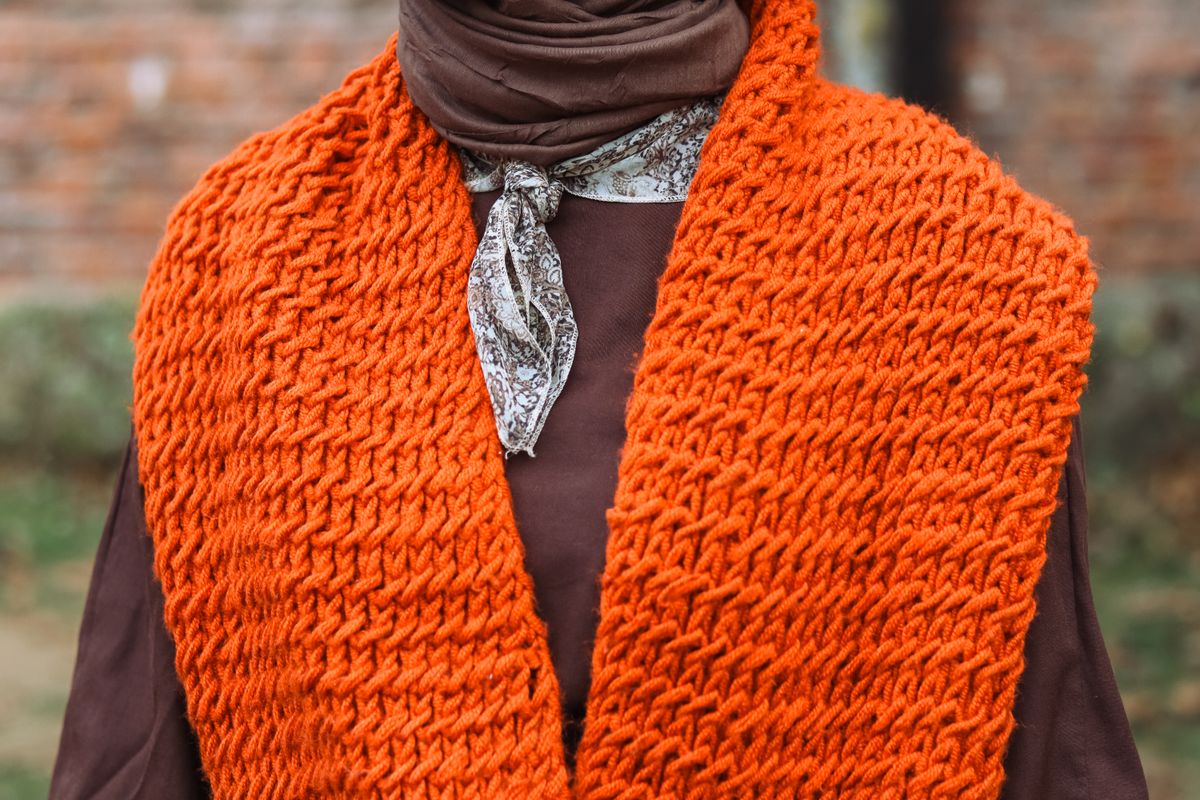
Top Pick
4.8/5100% Grade-A Mongolian cashmere at 16–18 microns with published fiber specs — 4.8 from 71 owner reviews.
~$60 suggested
Budget Cashmere Pick
4.0/5Thin, packable 100% cashmere that fits any bag — expect light pilling and a slightly itchier hand at this price.
~$40–50 suggested
Synthetic Commute Pick
4.7/5No wool content at all, yet 4.7 from AU-store ratings — heat-trapping synthetics for bulk-free commutes under a coat.
~$20–25 suggested
Scarf marketing leans on weave names — herringbone, cable, blanket stitch — but warmth is set by the fiber label. The percentage of wool or cashmere, the micron count of the fiber, and the staple length tell you more about how a scarf performs in January than any weave diagram. Blends with nylon or polyester pill faster and insulate worse; a 100 percent cashmere label with a stated micron count is the strongest honesty signal a scarf offers.
Cashmere is graded by fiber diameter: Grade-A fibers run roughly 16 to 18 microns and 30 millimeters or longer, which is why they feel soft instead of scratchy and resist pilling. Quince publishes 16–18 micron thickness and 26–28 millimeter fiber length for its woven scarves — the kind of specification worth demanding at any price. Sheep’s wool is warmer per gram but heavier and itchier on bare necks. A scarf calling itself “cashmere-feel” or listing cashmere at 5 to 10 percent is a polyester scarf with a marketing budget.
Quince Mongolian Cashmere Woven Fringe Scarf. The value benchmark: 100 percent Grade-A Mongolian cashmere in a 12.25-by-74.5-inch woven panel, rated 4.8 from 71 reviews on the brand’s site at about $60. Owners describe it as soft but substantial, wrapping it two or three times through winter, and note the saturated colors hold up against wool coats.
Uniqlo Cashmere Scarf. The entry point to real cashmere, at roughly $40 to $50 with a 4.0 average from US-site ratings. It is a thinner, lighter knit that packs flat — owners praise how little bag space it takes — but a minority report light pilling after a wash and a slightly itchier hand than pricier cashmere.
Uniqlo HEATTECH Scarf. The deliberate exception: a synthetic blend with no wool content at all, rated 4.7 from 53 ratings on Uniqlo’s Australian store. It is thin, packs to nothing, and insulates by trapping body heat rather than by fiber loft — the right pick for commuters who want warmth under a coat collar without bulk.
| Scarf | Fiber content | Rating | Best for |
|---|---|---|---|
| Quince Mongolian Cashmere Woven Fringe | 100% Grade-A cashmere, 16–18 micron | 4.8 (71) | The winter default |
| Quince Mongolian Cashmere Tartan | 100% Grade-A cashmere, wider cut | 5.0 (176) | Blanket-style wrapping |
| Uniqlo Cashmere Scarf | 100% cashmere, thin knit | 4.0 (US site) | Budget pure cashmere |
| Uniqlo HEATTECH Scarf | Synthetic blend, no wool | 4.7 (AU site) | Bulk-free commutes |
Premium options like Johnstons of Elgin’s 100 percent cashmere scarves, woven in Scotland for over two centuries, sit well above $150 and justify it with hand-finishing rather than warmth.
Pilling is inevitable on any natural fiber; a cashmere comb after the first month keeps it cosmetic. Hand-wash in cool water with wool detergent, roll in a towel, and dry flat — weekly dry cleaning is what actually ages cashmere. Store folded, never hung.
Check the label first: 100 percent fiber with a stated micron count, then the weave. The Quince Mongolian Cashmere Woven Fringe Scarf is the spec-safe default at $60, the Uniqlo Cashmere Scarf tests whether pure cashmere suits your neck at all, and the HEATTECH covers synthetic commutes. Build the rest of a cold-weather rotation with our capsule wardrobe checklist, and for winter sun on the same trip see best sunglasses for women.
| Scarf | Fiber content | Rating | Best for |
|---|---|---|---|
| Quince Mongolian Cashmere Woven Fringe | 100% Grade-A cashmere, 16–18 micron | 4.8 (71) | The winter default |
| Quince Mongolian Cashmere Tartan | 100% Grade-A cashmere, wider cut | 5.0 (176) | Blanket-style wrapping |
| Uniqlo Cashmere Scarf | 100% cashmere, thin knit | 4.0 (US site) | Budget pure cashmere |
| Uniqlo HEATTECH Scarf | Synthetic blend, no wool | 4.7 (AU site) | Bulk-free commutes |
Elena Brooks · Updated September 19, 2026
Elena Brooks · Updated September 19, 2026
Elena Brooks · Updated September 10, 2026